Training a team to work with AI means teaching it to decide which tasks to hand to AI, to check what comes back and to correct the system when it gets things wrong. In AI training for teams, knowing the tools is only the starting point. Training that works is done by role, with real cases from each person’s work. People starting out follow one rule, which is to try the task alone first and only then compare with AI.
What is missing is training
According to McKinsey, 94% of people already know the AI tools, and almost half say they lack the training to use them at work. Demand for AI fluency in job postings grew 13.6 times in three years, and has already reached fields such as engineering, the trades and education.
In Portugal the problem is more visible. The AI Index 2026 from Stanford University cites a University of Melbourne and KPMG survey of 48,000 people in 47 countries. Portugal is among the three countries where workers say they get the least support from their employer to learn AI. In a study of 12,000 European companies cited in the same report, AI adoption raised labour productivity by 4%, and by more in companies that provided training.
What AI fluency means
A person who is fluent in AI can do three things.
- Decide what to hand over. They know which tasks in their work AI does well and which it does badly, and choose accordingly. It is the map described in where AI fails, and how to decide what to review, applied to each person’s day.
- Check what comes back. They can tell whether the result is right, and know where errors usually hide. Someone who cannot check spends more time supervising than they saved.
- Correct and improve. When the system gets something wrong, they know how to log the error so it does not repeat, and how to tell whoever maintains the system what has changed in the business.
None of these is learned in a session about tools. They are learned with cases from the person’s own work.
Training by role
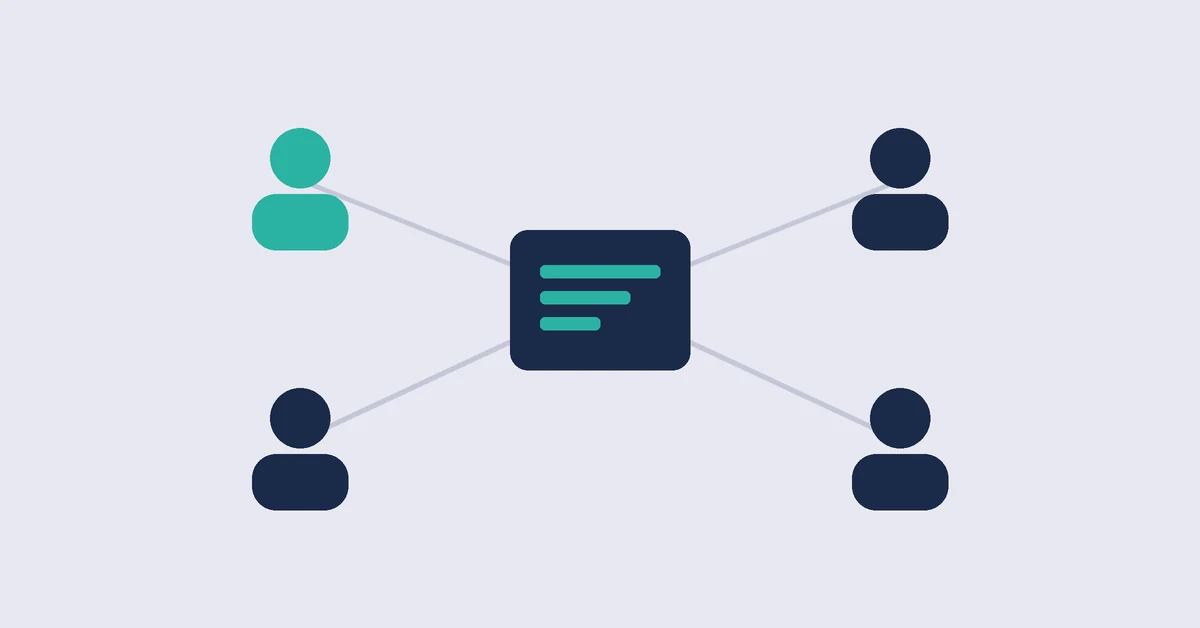
In a systems project, the client’s people have different roles, and each role needs different training.
| Role | What they do | What they need to learn |
|---|---|---|
| Daily user of the system | Handles the cases that go to review | Read the confidence level and reason for each case, decide quickly and log the decision |
| Whoever corrects and tunes | Follows the errors and helps adjust the rules | Tell a one-off error from a pattern, and describe the pattern to whoever maintains the system |
| Whoever explains | Answers the team’s questions | Explain why the system decides the way it does, with the written business rules in front of them |
| Whoever decides | Approves changes and tracks the result | Read the process figures against the baseline |
These roles can belong to different people or to the same person, but they need a name before launch. Without a name, training gets diluted and nobody is responsible. It is one of the four pieces described in why your team isn’t using the AI system.
People starting out learn differently
On structured tasks, the least experienced people are usually the ones who gain most from AI. But the AI Index 2026 shows the risk on the learning side. Engineers who relied heavily on AI to learn new libraries did not get faster and suffered what the authors call “learning penalties”. Only those who used AI to understand the concepts avoided them.
The same report shows why this matters. In the US, employment of software developers aged 22 to 25 has fallen almost 20% since 2024, while employment of older developers keeps growing. A company that lets juniors use AI for everything risks having no seniors a few years from now.
For people starting out, the rule is simple and has three steps:
- Try the task alone.
- Compare with what AI would do.
- Discuss the difference with someone more experienced.
It takes longer in the first weeks, but it is what makes sure the person learns the craft and can, later on, check AI’s work.
Plan for refusal
The first reaction to a new tool is often “this isn’t for us”. It is predictable and does not say much about the tool’s value. The way past it is to start with a small group that wants to try, show everyone else concrete results with the process figures, and only then widen.
It is worth telling this refusal apart from another kind, the one that points to a real problem in the system. Someone who says “this always fails on invoices from foreign suppliers” is giving the most useful information a project can receive, and deserves to be heard.
A monthly session keeps the team up to date
After the initial training, a short monthly session is enough. Each person shows what they have found AI useful for in their work, and the map of what AI does well stays up to date. Many people already use AI in their own way without saying so, and the session turns that individual learning into company learning.
The underlying question, whether the team runs the system itself or hands it to someone who runs it, is in buy an AI tool, or hand the process to someone who runs it. The wider view of the work systems can take off a team is in the repetitive work AI can take off your team.
Frequently asked questions
What is AI fluency?
It means knowing how to decide which tasks to hand to AI, check what it returns and correct the system when it gets things wrong. Knowing the tools is only the starting point.
How do you train a team to work with AI?
By role and with real cases from each person’s work. Whoever reviews cases, whoever tunes the system, whoever explains it and whoever decides need to learn different things.
Should juniors use AI?
Yes, as long as they try the task alone first, compare with AI afterwards and discuss the difference with someone more experienced. Using AI to get the answer slows learning down.
What if the team refuses the tool?
Start with a small group that wants to try, show concrete results to everyone else and only then widen. And listen closely to criticism that points to real problems in the system.
Handing an AI system to your team?
Prepare the training before launch. Book a call and we will define the roles with you and what each person needs to learn.