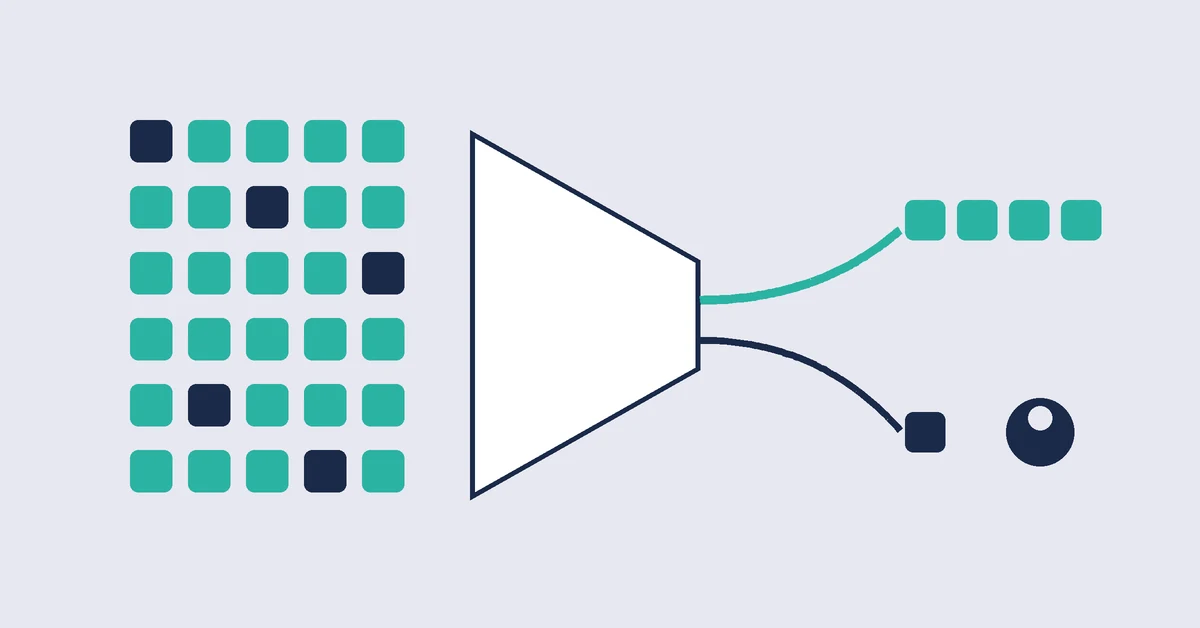

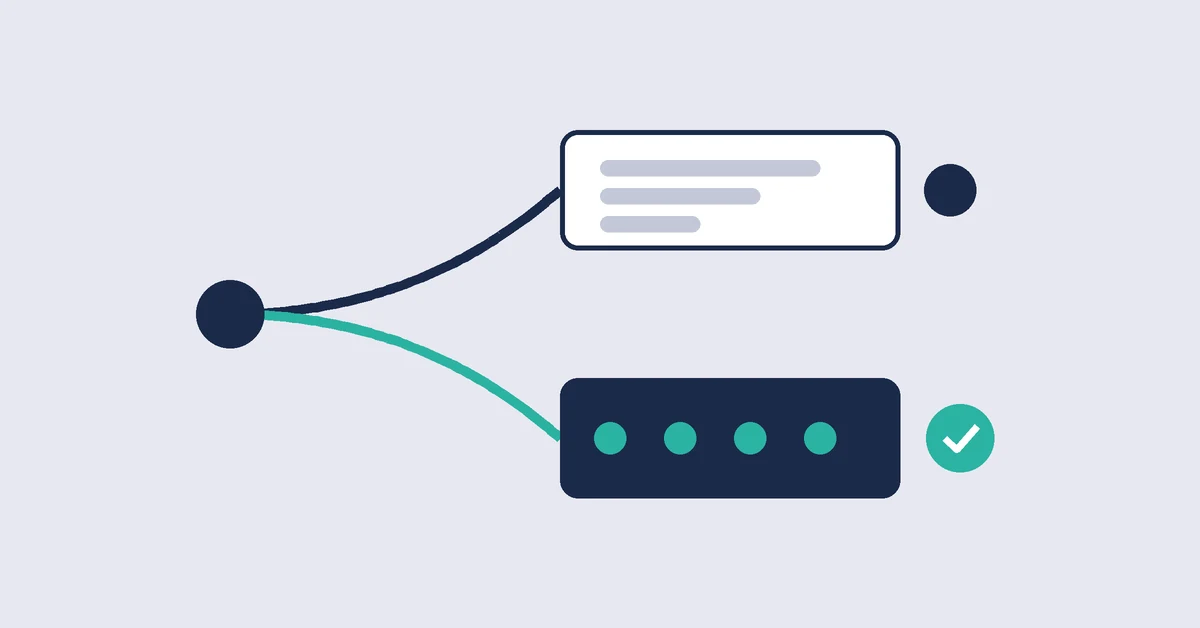
There are two ways to put AI to work in a company. In the first, you buy or build a tool, and your team runs it and answers for the result. In the second, you hand the process to someone who runs it: the system does the rule-based work, a person handles the exceptions, and whoever runs it answers for the result. Both work. What decides between them is a simple question: is there someone in the company with time to own this process for the next two years?
This guide covers what changes between the two, where the costs sit in each, and how to choose.
Two ways to put AI to work
The first is the copilot. The company buys a tool, or has one built, and the team starts using it. Someone in-house decides what to do with the output, and that person answers if it goes wrong.
The second is the autopilot. The company stops buying the tool and starts buying the work done: invoices classified, documents validated, tags firing on the website. The provider runs the system, handles the cases the system cannot resolve on its own, and delivers the result against a deadline and a metric.
Julien Bek of Sequoia Capital described this difference in an article in March 2026, with an example that shows the size of each side. A company spends around 10,000 dollars a year on accounting software and around 120,000 on the accountant who closes the books. The budget for the work is twelve times the budget for the tool.
When keeping the tool pays off
Keeping the tool makes sense when the company has three things at once:
- a person who knows the process and has hours in the week to look after it;
- enough volume for that person to stay in practice, rather than forget how it works between one use and the next;
- a reason to keep the knowledge in-house, because the process is part of what sets the business apart.
In that case, our job is to build the system, train the team to run it and stay close for the first few months. Most of the cost comes at the start (the diagnosis and the build) and then in maintenance. The risk sits with the client: if the person running the system leaves, the process stalls again.
When handing over the process pays off
Handing over the process makes sense when the work is mostly rules, when the result can be checked without being an expert, and when nobody in the company has time to own it. Invoice collection at an accounting firm, document validation at an insurance broker and daily monitoring of a website’s tracking are all examples.
In these processes, whoever runs it takes the repetitive work and the exceptions, and the client keeps the judgment and the decisions. The cost becomes monthly and per unit (per website, per month-end close, per client company). The risk changes sides: if the result does not appear, the first to lose is whoever runs the process.
There is a less obvious effect. A company selling the tool competes with the next version of the model, which can turn its product into a free feature. A company selling the work done gets faster and cheaper with every new version, and that improvement reaches the client as shorter turnaround times.
The deciding question: who owns the process
Most AI projects that stall after the pilot stall for the same reason: nobody was left responsible for keeping them running. We cover this in why most AI projects fail.
Before choosing between the two, it helps to answer three questions in writing:
- Who, by name, will look after this process every week, and how many hours do they have for it?
- If that person leaves in a year, who takes their place?
- What does the process cost today in hours and in euros, and what would a month cost in which nobody looked at it?
If the first two answers have a real name, keeping the tool usually costs less over time. If they stay blank, handing over the process is the safer option. The third answer tells you how much either option is worth paying for, and it is the starting point for comparing with hiring or outsourcing.
Where to start: what you already outsource
The easiest place to start handing over a process is work the company already sends outside. The company has already accepted that it can be done externally, already has a budget for it, and already buys a result rather than hours. Changing a supplier is a purchasing decision. Taking work away from the team is a reorganisation, and it takes longer to approve.
The safest path is to start with an outsourced task that is mostly rules, measure the result for three months, and only then extend to work done in-house. To know which tasks fit, the split between rule-based tasks and judgment tasks is the first filter.
Two examples with numbers
At an insurance broker, document intake took 8 hours per client. The system now reads and validates the documents, and a person deals only with those that fail a rule. Time came down to 1 hour per client, with the system built in 2 weeks (see the case).
At an accounting firm, invoice collection took 30 hours a month and now takes under 2, with the system built in 6 weeks (see the case).
What to ask whoever sells you either option
- Who answers for the result after go-live, and what happens to the price if the result does not appear?
- Which part of the work does the system do on its own, and how do I hear about the exceptions?
- Which metric will we track, and which indicator makes sure that improving it does not damage something else (margin, quality, response time to customers)?
- If I want to bring the process in-house in a year, what stays with me?
The last two questions are the subject of paying for results, and the cost of each option is set out in what a managed process costs. The wider view of systems that take repetitive work off a team is in the repetitive work AI can take off your team, and how to buy one without starting a software project is in how to buy AI without starting a software project.
Frequently asked questions
What is the difference between buying an AI tool and handing over a process?
With a tool, the company’s own team runs the system and answers for the result. With a handed-over process, whoever runs it does the rule-based work, handles the exceptions and answers for the result, while the company keeps the decisions that need judgment.
When is it better to keep the tool?
When there is someone in the company who knows the process, has hours to look after it every week and has a replacement if they leave. Also when the process is part of what sets the business apart and the knowledge should stay in-house.
Which processes can be handed to someone who runs them?
Those that are mostly rules and whose result can be checked without being an expert: collecting and classifying invoices, validating documents, monitoring a website’s tracking, producing a report that comes out the same way every week.
How is a managed process paid for?
Monthly and per unit (per website, per close, per client company), with a share tied to the result agreed at the start. The price comes from the cost of each task and the time the exceptions take to handle.
Can I bring the process in-house later?
Yes, if that is agreed from the start: the business rules written down, access to the system, and a period in which the client’s team learns to run it.
See it working: eight hours of document intake per client, down to one. Or see how we build AI systems.
Have a process nobody has time to look after?
That is often the first one to hand over. Book a call and we will work out with you whether to keep the tool or hand over the process, with the hours and euros of each option.