
Say “AI” in a company and a chatbot comes to mind. The valuable version is a system that takes a repetitive task eating a person’s week, reads the messy input, does the work, and hands back a result someone can trust. The point is measured in hours that disappear and margin that appears, not in the technology. This guide covers what these systems actually do, where the model ends and rules begin, how to tell where they pay off, and how to buy one without turning it into a software project.
What counts as a system that does the work
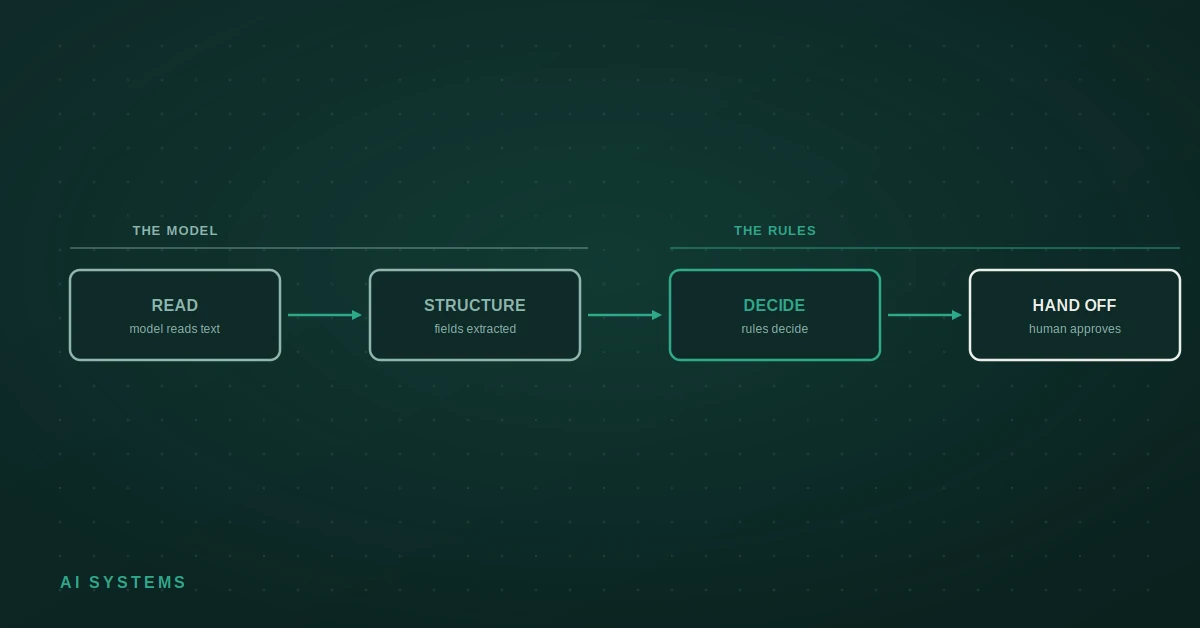
A useful AI system takes a job that a person does the same way every week and does the first pass of it, end to end. It reads input that arrives in no fixed format, turns it into something structured, applies the business’s own rules, and produces an output a human can approve or send. The person moves from doing the task to checking it, which is a different and much smaller job.
The tasks worth targeting share a shape. They are high volume, repetitive, rule-bound, and they currently trap the time of people you would rather have doing something else. Reading incoming requests and sorting them. Pulling fields out of documents and typing them into another system. Monitoring something across many sources. Producing the same report every Monday. None of these need a person’s judgment most of the time, which is exactly why a person resents doing them, and exactly where a well-built system earns back its cost.
Where the model ends and the rules begin
This is the most important design decision, and the one that separates a system a business can trust from a clever demo it quietly stops using. A large language model is very good at reading messy text and writing a clean response. It is the wrong thing to hand a decision to, because it is not consistent, not auditable, and cannot explain itself the same way twice.
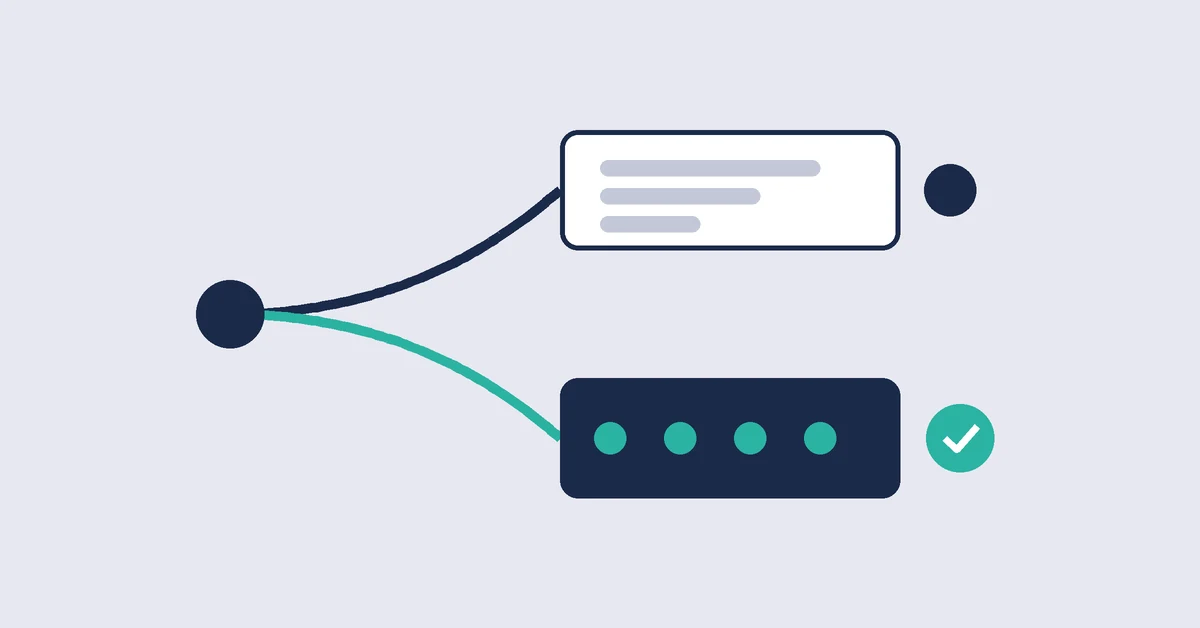
So in the systems we build, the model reads and writes, and the rules decide. The model turns a free-text request into structured fields. Then a table of explicit business rules, in code, decides what happens: accept, decline, refer, ask for more. When a request is refused and someone asks why, there is a concrete answer, a named rule with named conditions, rather than “the AI thought so”. The same input always produces the same decision, no matter who submitted it or how they phrased it. And the client owns those rules and can change a threshold without calling a developer.
This split matters for a reason that goes beyond neatness. It is what makes the output defensible, consistent and controllable, which are the three things a business actually needs before it will let software touch a real process. A system that cannot explain itself is a system that gets switched off the first time it is questioned.
Two rules that keep these systems honest
Never fill a gap with a guess
When a required field is not in the source, the system marks it as missing rather than estimating it. A plausible invented value is worse than a blank, because a blank gets caught and a confident wrong number does not. The system’s job is to be right or to say it does not know, never to be smoothly wrong.
Keep a human on the decisions that matter
The system does the first pass; a person keeps the final call on anything consequential. The design that works is a review queue: anything the system is confident about and that passes every check flows through, and anything that fails a check or falls below a confidence threshold rises to a human, with the reason explained in plain language. “Validation error” leaves the reviewer guessing. The flag should read “the lines total 1,845 but the document says 1,854, a 9 difference, likely two transposed digits”. The reviewer confirms in seconds instead of hunting for the problem.
What these systems look like in practice
Four examples from systems we have built, described in general terms because the clients stay anonymous.
The two systems below, request triage and document extraction, are covered in depth in their own guides: how to automate request triage and how to automate document data extraction.
An underwriting desk for commercial insurance
A commercial insurance request never arrives as a form. It comes as a client email, a colleague’s message, notes from a call. Someone experienced has to read it, work out the risk, check it against the criteria agreed with insurers, and respond. We built a system that does the first pass: it reads the free text into a structured risk sheet, checks it against the broker’s own underwriting criteria, and prepares the response. If information is missing, it drafts the email asking for exactly what is absent, one item per line. If the activity is outside appetite, it declines cleanly and offers to refer, rather than making the client gather documents for a “no”. If the risk is sound but exceeds the automatic limit, it routes to an underwriter with a telegraphic note of what needs deciding. The decision stays with the person; the reading, sorting and drafting stop eating their day.
Document extraction for a law firm
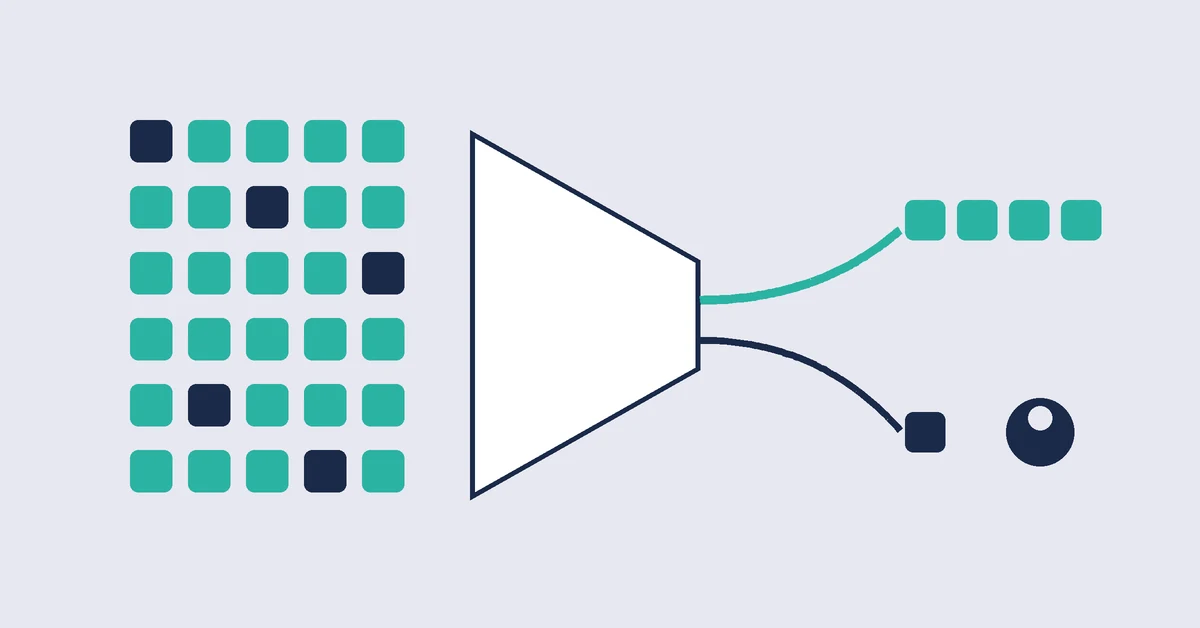
Invoices and contracts arrive by three channels that do not talk to each other: email attachments, paper, scans. Someone opens each one, reads the fields that matter, and types them into the accounting system again. The real cost is not the typing, it is what goes wrong underneath: a tax ID with two digits swapped that the accounts reject weeks later, a supplier invoice that enters twice and gets paid twice, a contract that renews itself because nobody noticed the notice period lapsed. We built a system where the document enters, the fields are extracted with a confidence score each, and the result passes deterministic validation before any human sees it. The validation uses no model at all: it is arithmetic and format checks, the tax ID checksum, the lines summing to the base, the base plus tax matching the total. A document that passes every rule with high confidence posts without intervention; anything else rises to review with the reason explained. For contracts, the field that earns its keep is the notice period, because it drives the renewal alerts, and it is the trickiest: when a contract says one thing in one clause and another elsewhere, the system flags the contradiction rather than picking one.
Competitor price monitoring for a retailer
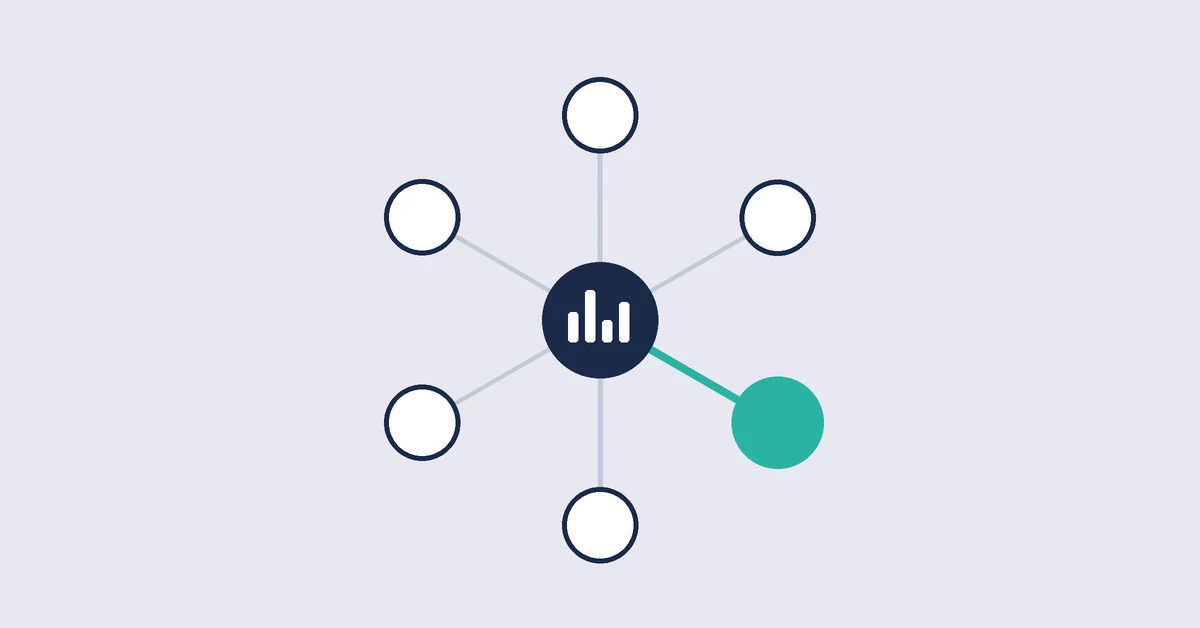
A retailer needed to track prices across roughly fifty thousand references from seven competitors. Done by hand, that was a person’s week, every month, and it was stale the moment it was finished. The system does the mapping continuously, which gives back that week and turns a monthly snapshot into current information the business can actually price against.
A management platform for a fitness business
A personal trainer was running the business around the training: scheduling, bookings, the sales pipeline, invoicing, annual insurance. We built a platform that holds all of it in one place and uses AI to read the data and surface decisions about class types, timetabling and pricing. The practical result was that the business no longer needed a part-time hand to keep the admin moving, and the trainer went back to doing full-time what they are actually good at.
Where does AI actually pay off?
Not everywhere, and the honest answer to “should we use AI here” is often no. Starting from the tool instead of the task is why most AI projects fail, and for a smaller business the map of what is worth it is narrower than the hype suggests, which we cover in AI for SMEs. A task is a good candidate when it is repetitive, high volume, rule-bound, and currently done by a person whose time is worth more elsewhere. It is a poor candidate when it is rare, needs real judgment every time, or when the cost of a mistake is high and hard to check. Spending months automating something that happens twice a month is how AI projects lose money.
This is why the work starts with a diagnosis rather than a build. Before writing any code, map the processes, find where human time is trapped in repeatable tasks, and rank the candidates by effort against the hours and margin they would return. The output is a short list of five to eight opportunities ordered by payoff, and sometimes the most useful line on that list is the one that says a given task is not worth automating yet. Klevie runs this through the same diagnostic discipline as the rest of the business, the Growth Engine, so an AI system gets built because the numbers support it, not because AI is fashionable.
How you buy one without starting a software project
There is a real risk in this kind of work: it drifts into a development project, measured in scope and sprints, and priced by the hour like a dev shop. That serves nobody. The way we structure it keeps the focus on the outcome.
It runs in three steps, and we set the whole approach out in how to buy AI without starting a software project. First, a diagnosis: a short, paid engagement that maps where the repetitive work lives and what removing it is worth, ending in a prioritized list. Second, an implementation sprint: six to ten weeks, one or two systems in production, a fixed scope and a real deliverable. Third, operation and evolution: the system is kept running and improved as the business changes. Pricing follows the value to the business, a fee that covers the operating cost plus a performance fee tied to the result, rather than a bill for build hours. You are buying hours removed and margin recovered, not lines of code.
The parts that are not technical
The hardest questions in these projects are usually not the model. When a system handles a law firm’s client documents, or a broker’s client data, three things have to be settled before code, not after: where the data is hosted and under what data-processing terms, who is allowed to see and approve what, and how long originals are kept and what happens when that period ends. For regulated or confidential work this means EU hosting, a proper data-processing agreement, and a model provider with zero retention. Treating these as part of the build, not an afterthought, is the difference between a system that can go live and a prototype that never leaves the demo.
How to tell if it is working
One metric matters above the rest: the share of work the system completes without human intervention. Everything else is secondary. And one common metric quietly misleads: average extraction accuracy. A system at 95% average accuracy can be useless if the 5% of errors are spread through documents that look correct, because then there is no exception queue, just silent mistakes flowing into the accounts. The goal is the opposite. Err rarely, and when you do, know that you erred, so it lands in the review queue instead of the ledger. A system you can trust is one that is honest about what it does not know.
That honesty is also the proof the house builds what it sells. Klevie’s own diagnostic system, Atlas, was built on the same principles: the model reads and structures, the framework and human review decide. We did not buy the capability to talk about it. We built our own with it.
Frequently asked questions
What kind of tasks can an AI system take over?
Repetitive, high-volume, rule-bound work: reading and sorting incoming requests, pulling fields from documents into another system, monitoring prices or data across many sources, producing the same report every week. Work that rarely needs judgment is the best fit.
Does the AI make the decisions?
No. In the systems we build, the model reads messy input and writes the response, and a table of explicit business rules makes the decision. That keeps the outcome auditable, consistent and controllable, and lets the client change a rule without a developer.
How do you know where AI is worth using?
Through a diagnosis before any build: map the processes, find where human time is trapped in repeatable tasks, and rank candidates by effort against the hours and margin returned. Often the most useful finding is that a given task is not worth automating.
How is this priced?
By the value to the business, not by build hours: a fee covering the operating cost plus a performance fee tied to the result. The point is to buy hours removed and margin recovered, rather than a development project billed by the hour.
What about data privacy and confidentiality?
For regulated or confidential work, hosting sits in the EU, under a proper data-processing agreement, with a model provider on zero retention, plus access logging and a clear retention policy. These are settled before code is written, not after.
See it working
From pricing by feel to a weekly market read, built on competitive price monitoring of public prices.
Or see how we build AI systems, end to end.
Know a task that eats a person’s week?
That is usually where the first system pays for itself. Request a strategy call and we will map where AI would return hours and margin, and where it would not.