In an online shop, a discount is the most expensive way to grow sales, because it comes straight out of margin and also goes to people who would have bought without it. To increase sales without discounts, four alternatives often weigh as much or more. They are a free-shipping threshold slightly above average order value, bundles priced better than the separate products, post-purchase email sequences, and a shop that earns the trust of first-time visitors. None of them teaches customers to wait for the next promotion.
Why discounting is expensive
A 20% discount on an order with a 40% gross margin takes half the margin. And it goes to every buyer, including those who were going to buy anyway. Byron Sharp shows, with decades of data, that price promotions mostly reach people who already buy the brand and give short spikes. Les Binet and Peter Field add that brand building reduces price sensitivity, and a brand that relies more on discounts every year is losing strength.
Tanner Larsson, in Ecommerce Evolved, sums up the ways a shop grows as three: more customers, bigger orders and more purchases per customer. A small rise in all three at once gives large growth, because they multiply. The alternatives below work on the second and third, which are the cheapest.
1. Free shipping above a threshold
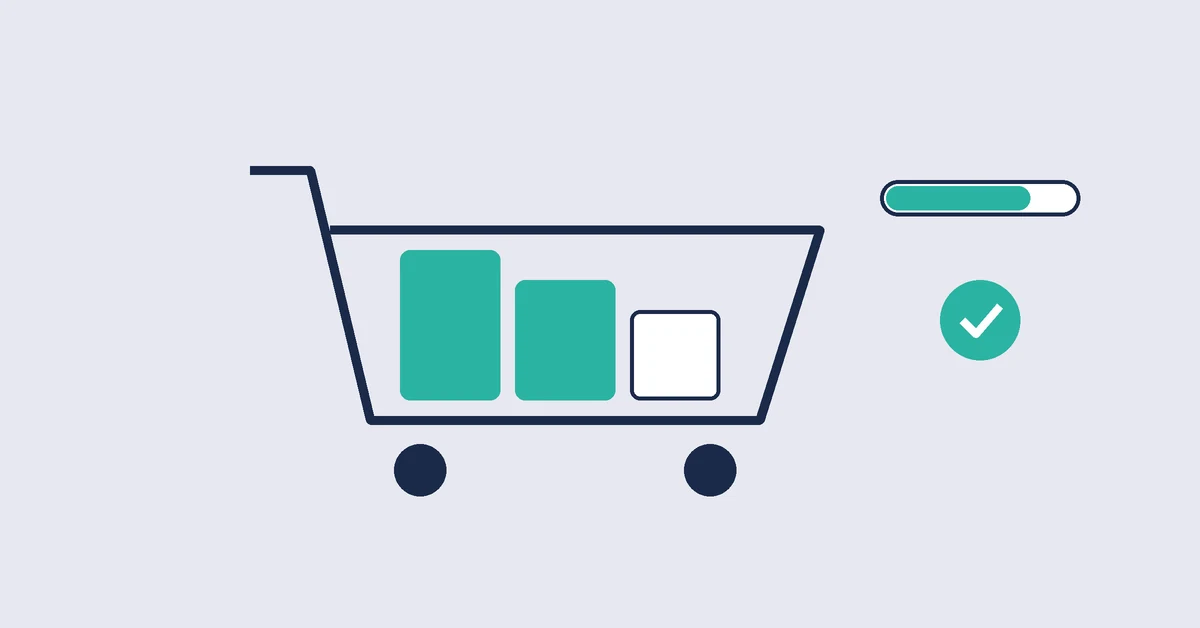
A free-shipping threshold slightly above average order value leads many customers to add one more product to reach it. If the average order is €38, a €45 threshold works as a target most people can hit with one small product.
The threshold should show before checkout, ideally in the cart, with the amount still missing. Larsson makes the same point about every cost. Anything that only appears at the last step is a surprise, and surprises at checkout make people give up.
2. Bundles
A bundle groups products that are used together, at a better price than buying them separately. The customer gets a reason to take more. On the shop’s side, a bundle’s margin is usually better than a discounted order’s, because the discount applies to a bigger order.
Bundles work best when they answer a specific customer situation (a starter kit, a one-month kit, a gift kit) and have their own page explaining why those products go together.
3. Post-purchase email
Larsson considers email the highest-return channel, because it talks to people who already know the shop. The sequences that weigh most on repeat purchases are three:
- Post-purchase: say thank you, help the customer use the product and, a few days later, ask for a review.
- Replenishment: for products that run out, such as a 30-day supplement, a reminder near the end of the pack.
- Win-back: for people who have not bought in a long time, with a reason to come back that does not have to be a discount (a new product, some news, a question).
None of these sequences needs a code. If one of them already gives a discount automatically, it is worth testing the version without one, as we explain in automatic discounts: how much they pay for sales that would have happened anyway.
4. Trust for first-time visitors
In a shop the customer does not know, the first barrier is trust, and a discount does not solve it. Trust comes from:
- reviews and photos from real customers on product pages;
- a clear, visible returns policy;
- contact details and an “about us” page with real people;
- delivery times and costs visible before checkout;
- a site that is fast on mobile and a checkout that does not force account creation.
For a first-time visitor, a clear returns guarantee is often a stronger argument than 10% off.
A line not to cross
None of these alternatives uses fake urgency or fake scarcity. Countdown timers that restart when the page reloads, “last units” that are not the last, and made-up reference prices are prohibited under European consumer protection rules. Beyond the legal risk, they spend the trust the alternatives above build.
How to test against the discount
Each alternative is tested the same way as the discount itself. One group of customers gets the alternative, another gets the discount, and margin per customer is compared over four to six weeks. The metric is margin per customer. The discount almost always converts more, and the question is whether the difference pays for what it costs.
The best time to start is January, once Black Friday has been read, as we explain in how to measure Black Friday. The frame for all these tests is in incrementality: how to know what your marketing actually causes.
Frequently asked questions
How can an online shop grow sales without discounting?
With a free-shipping threshold slightly above average order value, bundles priced better than the separate products, post-purchase email sequences and a shop that earns the trust of first-time visitors.
What should the free-shipping threshold be?
Slightly above average order value, so most customers can reach it by adding one small product. The right figure is confirmed with a test.
Aren’t bundles a discount too?
They are, but on a bigger order. A bundle’s margin is usually better than a normal order with a discount, and the customer takes more products they can buy again.
Which email sequences weigh most on repeat purchases?
Post-purchase, replenishment for products that run out, and win-back for people who have not bought in a long time. None needs a discount code to work.
Want your shop to depend less on discounts?
Book a call and we will review the four alternatives with you and the first test to run in January.