To measure Black Friday, look at what it leaves behind once it is over: the new buyers it brought, the ones who buy again within 60 days and the margin on each order. Weekend revenue says little, because part of it comes from customers who held off buying while they waited for the discount. The measures are prepared before the campaign, and the reading is done at the end of January.
Why weekend revenue misleads
Black Friday is a clear case of sales activation, an offer with a deadline for people ready to buy. Les Binet and Peter Field, in The Long and the Short of It, show that activation gives fast spikes that disappear when the campaign ends. Byron Sharp adds that price promotions mostly reach people who already buy the brand.
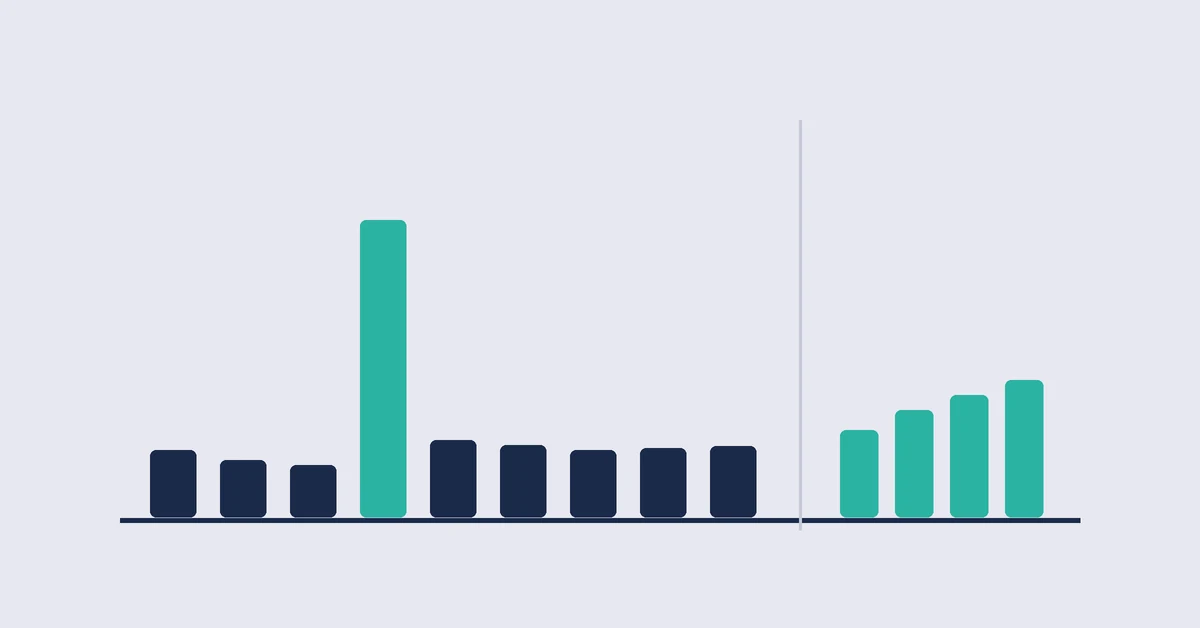
Some sales also just change date. Iterable’s 2026 survey of consumers in the US and the UK found that 67% they delay purchases waiting for a bigger discount. In a shop, that shows up as a dip in the weeks before November and a spike on Black Friday. Added together, the quarter’s sales may have changed very little.
The five measures
- New buyers. How many orders came from people who had never bought before, and what share of the total they represent.
- 60-day repeat rate. Of those new buyers, how many buy again within the next 60 days, without a discount. It is the number that tells you whether the campaign brought customers or only sales.
- Margin per order. Margin after the discount, shipping and acquisition cost, compared with a normal order.
- Discounted sales over the year. What share of the year’s sales carried a discount. If it grows every year, the brand is becoming dependent.
- The weeks around it. Sales in the four weeks before and the four weeks after, compared with the same period last year. They show how much of Black Friday was sales pulled forward or held back.
What to prepare in the two weeks before
Tag the buyers
Campaign buyers need to be identified so they can be followed in the months after. In most shops a tag or a segment built from orders with the code or within the campaign period is enough, separating those who had bought before from first-time buyers.
Take the before picture
The five measures for the same period last year, and for the four weeks before this year’s campaign. Without that point of comparison, January brings only a revenue figure with no context. It is the same idea as the baseline in any project, explained in how to measure a process before automating it.
Check the tracking
Conversions need to reach the ad platforms and Google Analytics with the right value, and consent needs to be working. A failure discovered on Black Friday Saturday costs data that cannot be recovered.
Prepare the post-purchase sequence
New buyers get a post-purchase sequence (say thank you, help them use the product, ask for a review) and, for products that run out, a replenishment reminder. This sequence is what turns some of them into customers who come back.
What not to do during the campaign
- Do not touch running tests. Behaviour in these weeks is abnormal, and a discount or channel test run now does not apply to the rest of the year. Ideally, pause them and resume in January.
- Do not use fake urgency or fake scarcity. Countdown timers that restart, “last units” that are not the last, and made-up reference prices are prohibited under European consumer protection rules.
- Do not judge the campaign by weekend ROAS. ROAS measures revenue attributed to spend. It does not say how many new buyers stayed or how much margin was left.
How to read the result in January
The reading happens at the end of January, when the first buyers’ 60 days are nearly up. These are the questions to ask:
- Did the campaign bring more or fewer new buyers than last year?
- Did those buyers come back more or less than new buyers in a normal month?
- Did margin per order make up for the volume?
- Did the surrounding weeks drop more than usual?
If new buyers come back at close to the normal rate and margin held up, the campaign built something. When almost all sales came from existing customers and the surrounding weeks dropped, the campaign pulled sales forward and paid a discount for them.
For next year’s Black Friday, alternatives to discounting (bundles, free shipping, email sequences) are in bundles, free shipping and email: what matters more than the discount. The wider frame is in incrementality: how to know what your marketing actually causes.
Frequently asked questions
How do you measure Black Friday success?
By the new buyers it brought, how many of them buy again within 60 days and margin per order, compared with last year. Weekend revenue on its own only shows the spike.
What is the 60-day repeat rate?
The share of the campaign’s new buyers who buy again within the next 60 days. It shows whether the campaign brought customers or only sales.
When should I analyse the results?
At the end of January, when close to 60 days have passed since the campaign’s first purchases.
Can I run tests during Black Friday?
It is better to pause tests and resume them in January. Behaviour in those weeks is abnormal, and the result does not apply to the rest of the year.
There is still time to set up the measurement
Book a call and we will check the tracking and the five measures with you before the campaign.