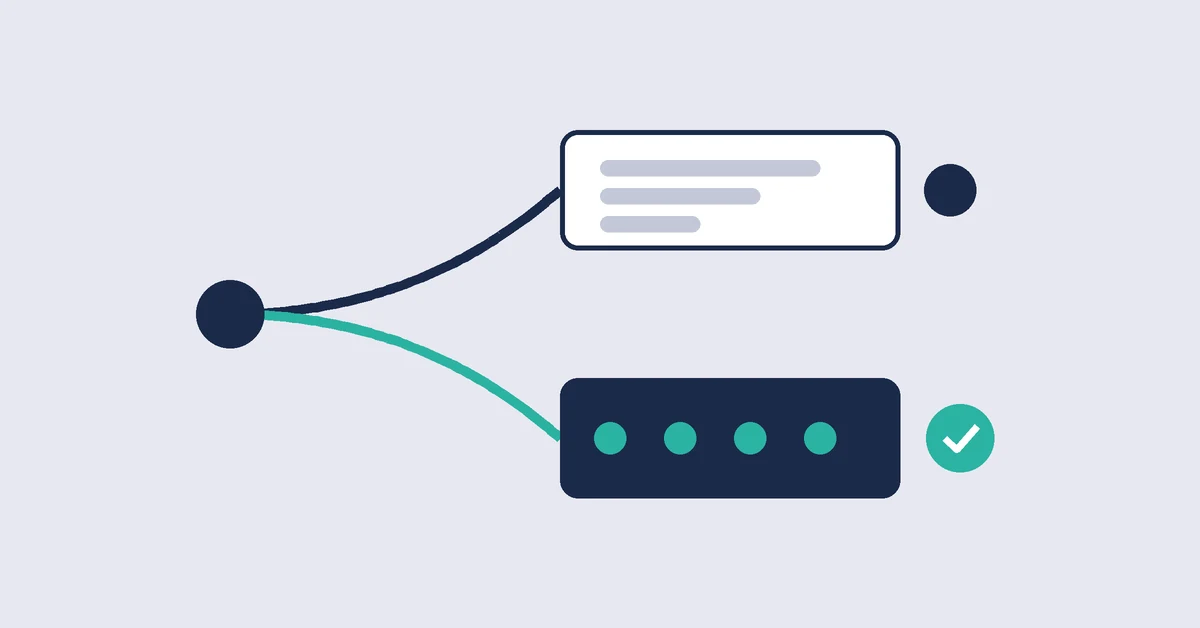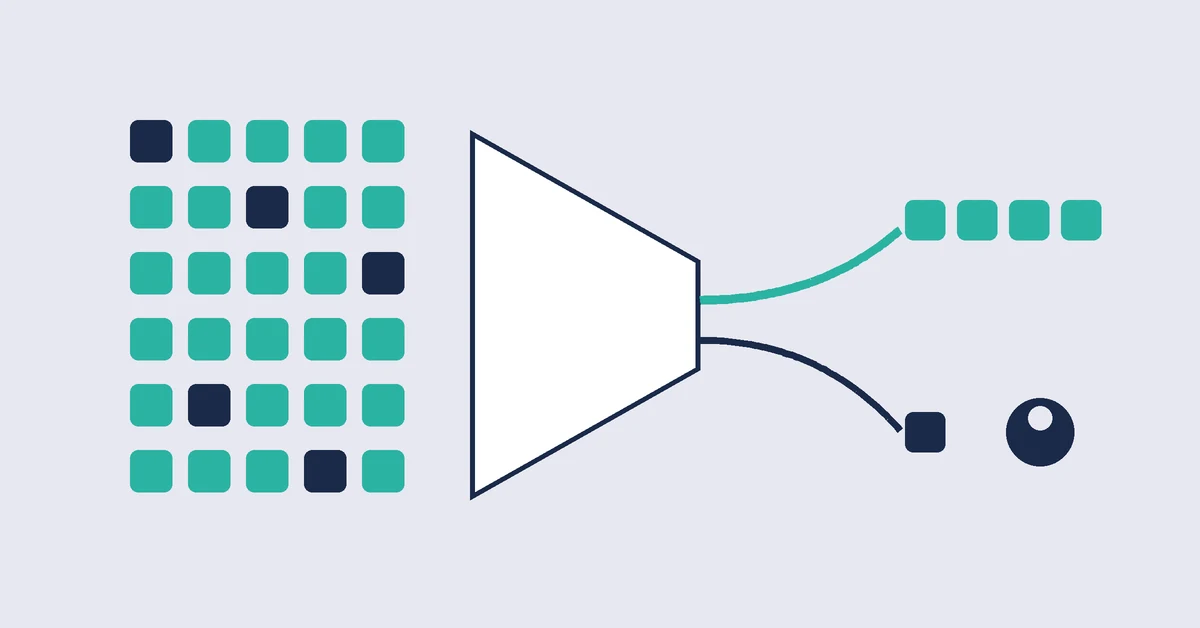

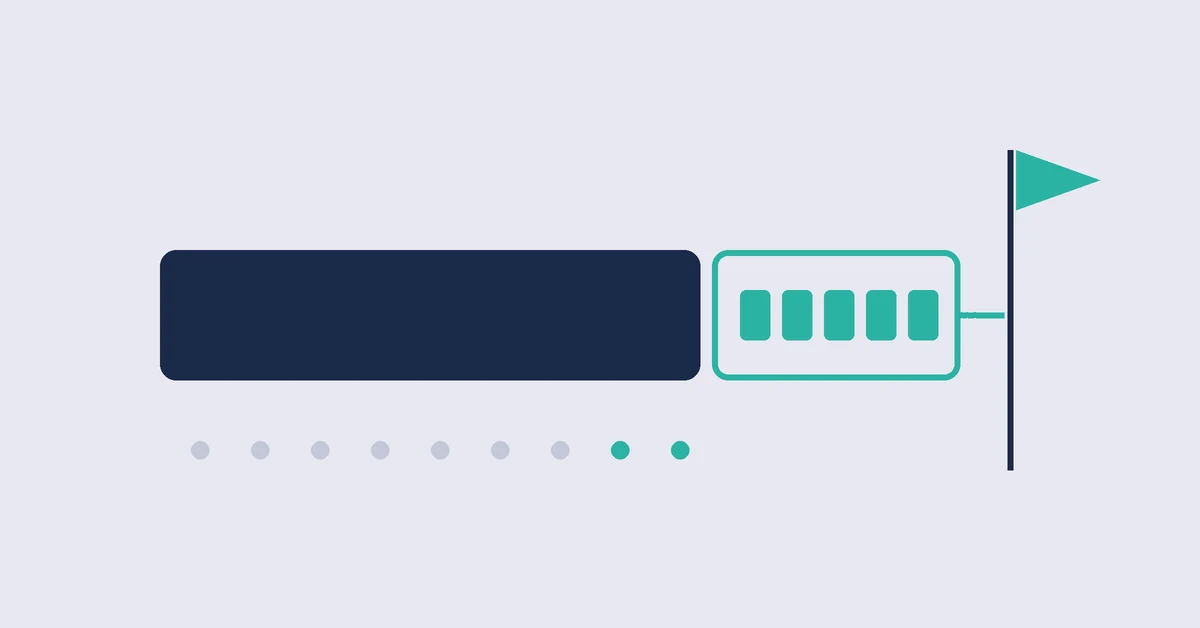
Paying for results means part of the price is only paid if a target agreed before the start is met. At Klevie, the objectives and metrics of each project are written down before work begins, and part of our fee depends on them. The model protects the client, but it carries a risk few people see: any supplier paid on a metric learns to move that metric, even when that is not what the client wanted. That is why the right metric always has a control indicator beside it.
This article explains how shared risk works, where it goes wrong and how to choose the metric.
How it works
The price has two parts. A fixed part covers the cost of doing the work. The other is held back until the target is met, and it is tied to a result the client can check: hours taken out of a process, proposal conversion, margin on a campaign.
The target is agreed before the start, with the baseline measured on the process as it runs today. Without a baseline, there is no way to tell whether the result came from the work or from something else. That is why our work always starts with a diagnosis, rather than a build proposal.
Why few consultancies do it
A consultancy that lives on billed hours earns more when the project takes longer. Switching to charging for results forces it to change how it sells, how it measures and how it pays its people. For most, that change costs more than it is worth.
For us, the model has another advantage. When the result does not depend on hours, the automation we already have becomes margin. Every time an AI model gets faster or cheaper, the process we run gets faster and cheaper, and the client gets the result sooner.
Where it goes wrong
A system that optimises a metric finds the easiest way to improve it, even when that is not what was wanted. This holds for an ad algorithm, an AI model, a team with a bonus and a supplier with part of its price tied to a number.
We saw this with an ecommerce brand we work with. Meta’s ad algorithm was optimising for conversions, and it did so well: it spent ten times more on one product than on another, because it was chasing conversions rather than margin or product mix. The ads were right, and the product mix the brand wanted to sell ended up far from what the algorithm chose.
The same happens with a performance fee tied to ROAS. A supplier paid on ROAS has an incentive to concentrate spend on customers who were going to buy anyway and on products that sell themselves. ROAS goes up, and the business may stay where it was.
How to choose the metric
- Write the real objective in words, before choosing the number. “Sell more to new customers without lowering margin” is an objective. “ROAS of 4” is a metric, and it is only useful if it serves the objective.
- Always add a control indicator. This is what you do not want to damage while improving the main metric: margin, quality, response time to customers, the share of sales from new customers.
- Tie the price to the result that matters to the client. In marketing work, the variable part should be tied to the client’s margin rather than ROAS alone. In managed processes, it can be tied to hours removed or to the share of cases handled without intervention.
- Check the behaviour behind the number. Once a month, look at what the system or the supplier is doing to move the metric. If the way it moves makes no sense, the metric is wrong.
Before signing any agreement, one question helps: if someone optimised this metric to the limit, without thinking about anything else, what would break?
What the client should ask for in writing
- The baseline, measured before the start, and how it was measured.
- The main metric and the control indicator, with the values for each.
- The share of the price held back, the target that releases it and the date it is checked.
- What happens if the target is missed for a reason outside either party’s control.
The choice between buying a tool and handing over the process changes how this agreement is written, and it is covered in buy an AI tool, or hand the process to someone who runs it. The split between what the system decides on its own and what stays with a person is in rule-based tasks and judgment tasks, and how to tie media spend to margin is in paid media strategy for scaling brands.
Frequently asked questions
What is shared risk in a consultancy?
A pricing model in which part of the fee is only paid if a target agreed at the start is met. The target starts from a baseline measured before the work, and it is tied to a result the client can check.
Why can a performance fee tied to ROAS be a bad idea?
Because the supplier gets an incentive to move ROAS, and the easiest way to do that is to concentrate spend on people who were going to buy anyway and on products that sell themselves. ROAS rises while margin or growth may not follow.
What is a control indicator?
The number tracked beside the main metric to make sure that improving it does not damage something else. Margin, quality and the share of sales from new customers are common examples.
What if the target is not met?
The held-back share is not paid. That is why the target, the baseline and the check date are written down before the start, together with what happens if there is a cause outside both parties’ control.
Want a supplier that loses when you lose?
Book a call and we will set the baseline, the metric and the control indicator with you before any proposal.