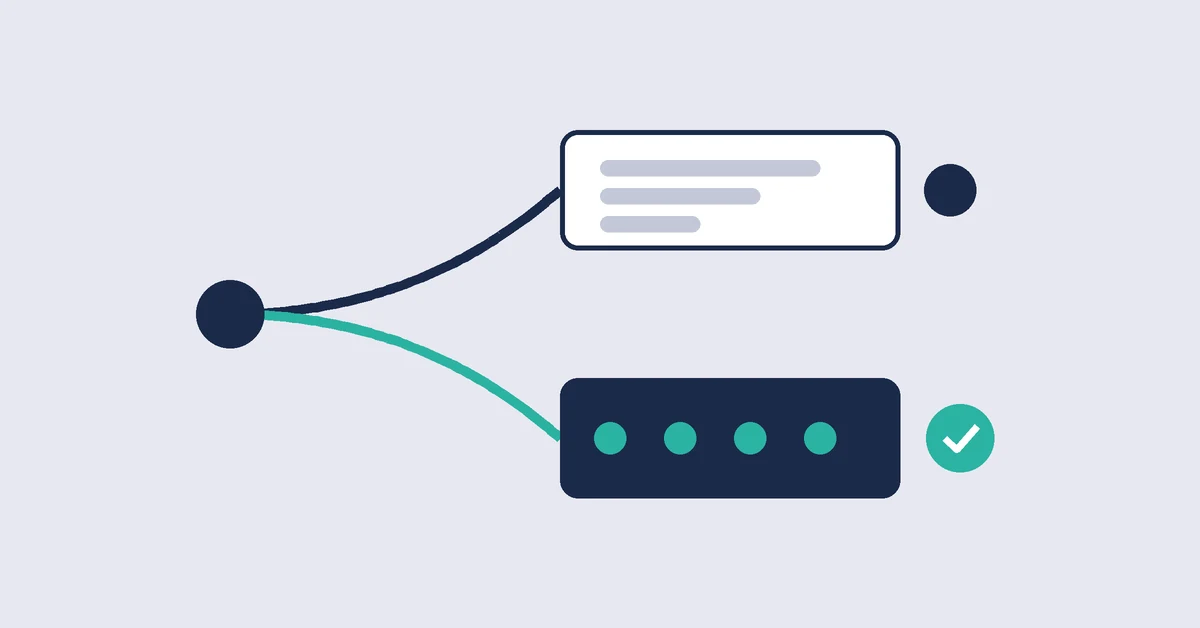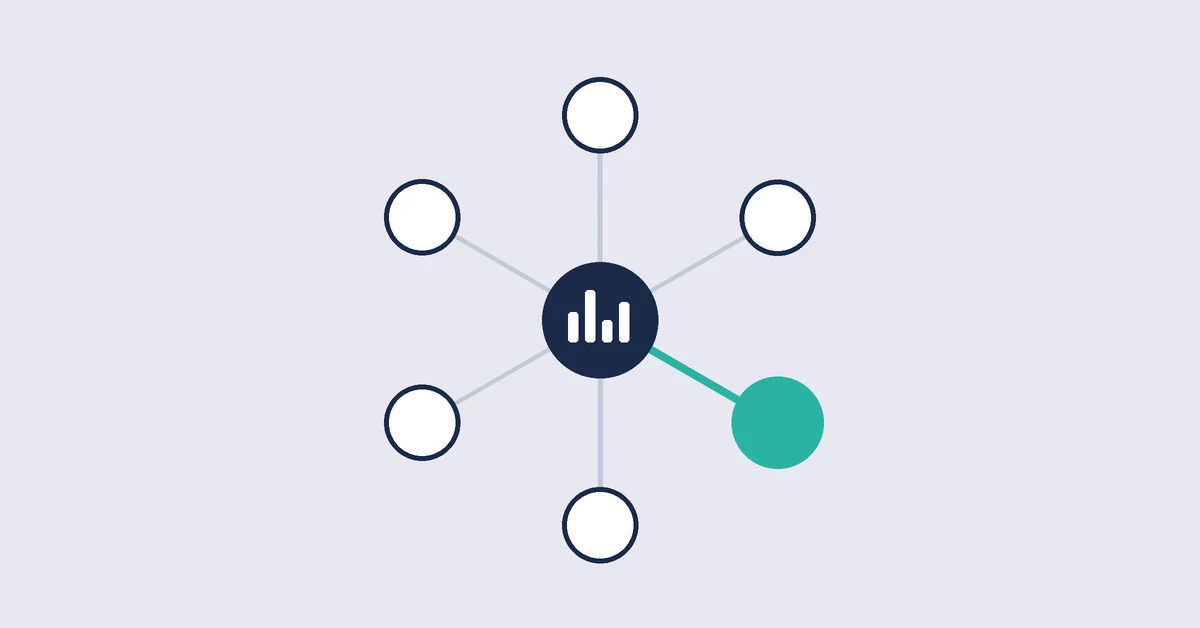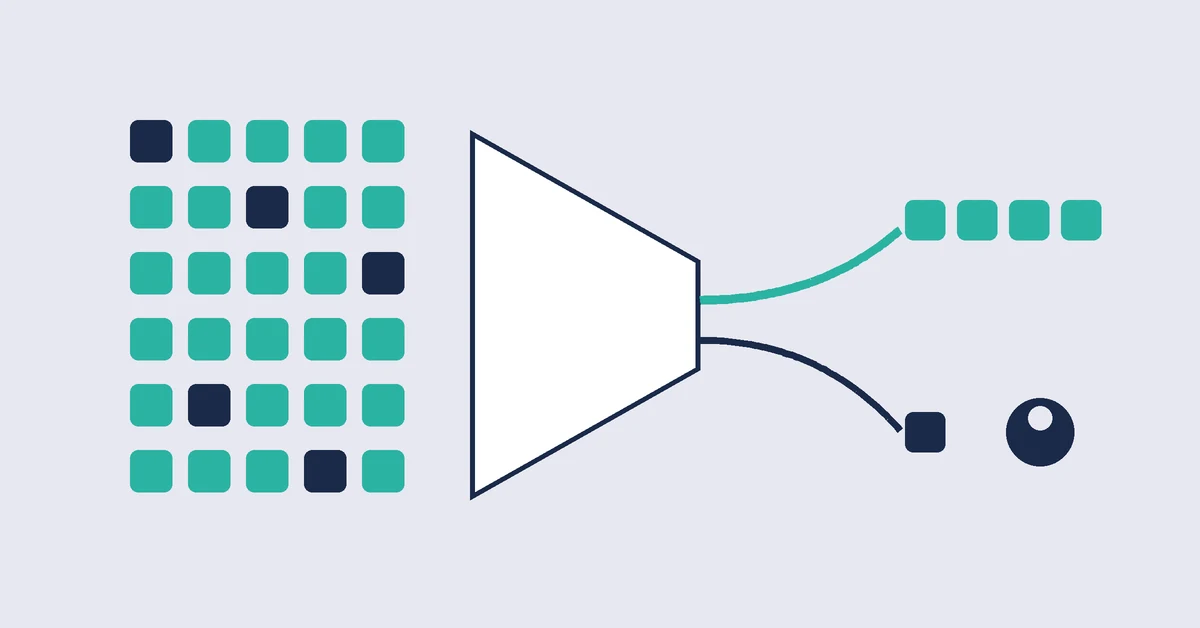

AI helps marketing work the same way it helps any operation: it removes the repetitive first pass from a person whose time is worth more on the judgment. In practice that means drafting copy variations, producing template-based descriptions at volume, synthesizing research, and monitoring competitors, with a human keeping the decision every time. The gain is hours returned and better decisions, not more content for its own sake. Here is where it genuinely helps, and where it does not.
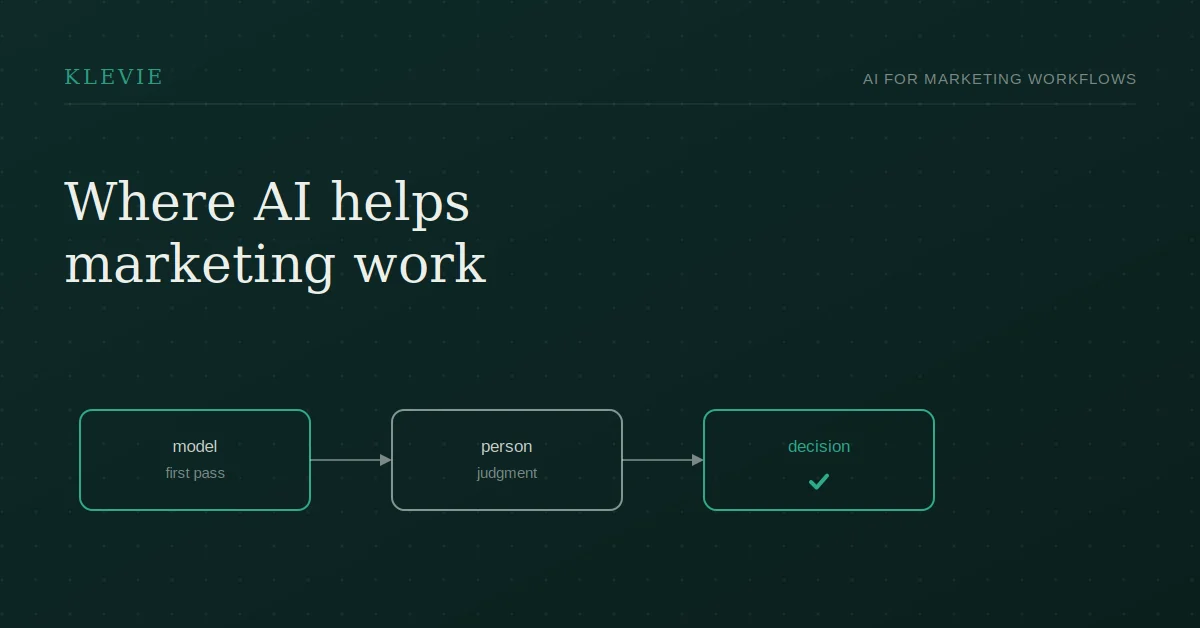
The principle: first pass by the model, judgment by a person
The useful way to use AI in marketing is the same principle behind any well-built AI system: the model does the repetitive part, and a person keeps the judgment. The model is fast at producing a first draft, a first pass, a first cut. It is unreliable at deciding which draft is right, which claim is true, which message fits the brand. So the workflows that pay off are the ones where a person can review and choose quickly, rather than the ones where the model is trusted to decide alone. Get that division right and AI returns real hours. Get it wrong and it produces confident output nobody should trust.
Where AI genuinely helps
Drafting variations to test
Producing many versions of an ad, a subject line, a headline, is repetitive work with a clear human check at the end: you look at the options and pick. The model generates the range, a marketer selects and refines, and the test decides. This is a strong fit because judgment stays with the person and the data, and the model only removes the blank-page effort of producing options.
Producing descriptions and copy at volume to a template
When a catalog needs hundreds of product descriptions in a consistent shape, the model can produce first drafts to a fixed template far faster than writing each by hand. A person reviews for accuracy and brand fit, which is quicker than composing from scratch. The condition is the template and the review: the structure keeps the output consistent, and the human check keeps it honest.
Synthesizing research and feedback
Reading a large volume of reviews, survey responses or support tickets to find the themes is slow, repetitive and well suited to a first pass by the model. It can group the material and surface the patterns, which a person then interprets and acts on. The model saves the reading; the person keeps the interpretation, because what a theme means for the business is a judgment.
Monitoring competitors and the market
Tracking prices, listings or messaging across many competitors is exactly the repetitive, high-volume, rule-bound work AI systems are built for. One example from work we have done, kept anonymous: a retailer needed prices tracked across roughly fifty thousand references from seven competitors, a task that took a person a week every month and was stale the moment it was finished. Moving it to a system freed that week and turned a monthly snapshot into current information the team could price against. That is AI in a marketing workflow at its best, hours removed and a decision made on current data instead of old data.
Where AI does not help
The failure mode is using AI to produce volume nobody needed. Flooding a blog with AI-written articles that say nothing works against discovery, because answer engines and readers both select for trustworthy specifics and pass over generic filler. AI also does not decide strategy: pointed at the wrong task, it produces the wrong output faster. And it does not replace the judgment that makes marketing work, which message is true to the brand, which claim you can stand behind, which trade-off is right. Those stay human, and a workflow that hands them to the model produces things you then have to catch and fix.
The test for any AI marketing workflow is simple: does it remove hours a person was spending, or genuinely improve a decision, measured against how things were before? If it does, it earns its place. If it only produces impressive-looking volume, it is noise. The tools worth paying for are covered in AI tools for growth marketing, and how not to wreck your content in the process is in AI for content and SEO without the slop.
Where this fits in the wider shift, discovery on one side and the marketing work on the other, is set out in AI for growth marketing.
Frequently asked questions
What marketing tasks can AI actually help with?
Drafting variations to test, producing template-based descriptions at volume, synthesizing research and feedback into themes, and monitoring competitors across many sources. All are repetitive first-pass work where a person can review and decide quickly.
Should AI write my marketing content on its own?
No. The model is good at a first draft and unreliable at deciding which draft is right or true. The workflows that pay off keep a person on the judgment, reviewing and choosing, while the model only removes the repetitive first pass.
Does using AI to produce more content help?
No. Producing volume nobody needed works against you, because answer engines and readers select for trustworthy specifics and pass over generic filler. AI helps by removing repetitive work, not by generating content for its own sake.
How do I know if an AI marketing workflow is worth it?
Ask whether it removes hours a person was spending or genuinely improves a decision, measured against how things were before. If it only produces impressive-looking volume, it is noise.
Want AI in your marketing that actually saves time?
The useful uses are narrower and more concrete than the hype. Request a strategy call and we will find where AI would return hours in your marketing, and where it would not.
How we work on this: marketing and performance.