
The cost of a process run with AI has three parts: the diagnosis, the build and the monthly operation. The first two are paid once. The third is paid every month, per unit (per website, per month-end close, per client company), and it is worked out from two numbers: what each task the system does on its own costs, and how long the exceptions that go to a person take. Cost sets the floor of the price. The ceiling is what the process costs the client today in hours and in euros.
This article explains each part, how the per-unit price is worked out and why the cost falls over time.
The three parts of the cost
The diagnosis
Before building, the process is measured as it runs today: how many hours it takes, who does it, where it breaks and what it costs. At Klevie, the first conversation is free and ends with a written summary. When it moves on to a full diagnosis, its value is deducted in full from the first project, if that project starts within the following 30 days.
The diagnosis also tells you when it does not pay off. Sometimes the most useful line in the report is the one that says a task is not worth automating yet.
The build
The build is a sprint of 6 to 10 weeks, with a fixed scope and one or two systems in production at the end. In the published cases, timelines varied with complexity: 2 weeks for document validation at an insurance broker and 6 weeks for invoice collection at an accounting firm.
This phase also settles the non-technical questions that weigh on cost: where the data is hosted, who can see and approve what, and how long originals are kept. For confidential or regulated work, that means hosting in the European Union, a data-processing agreement and a model provider with zero retention.
The monthly operation
After go-live, the process has to keep working: the system running, the exceptions handled, the rules updated when the business changes. In a managed process, this is paid monthly and per unit. The unit is chosen by what the client recognises as the result: a website monitored, a month-end close prepared, a client company of an accounting firm.
How the per-unit price is worked out
The cost of each unit has two components.
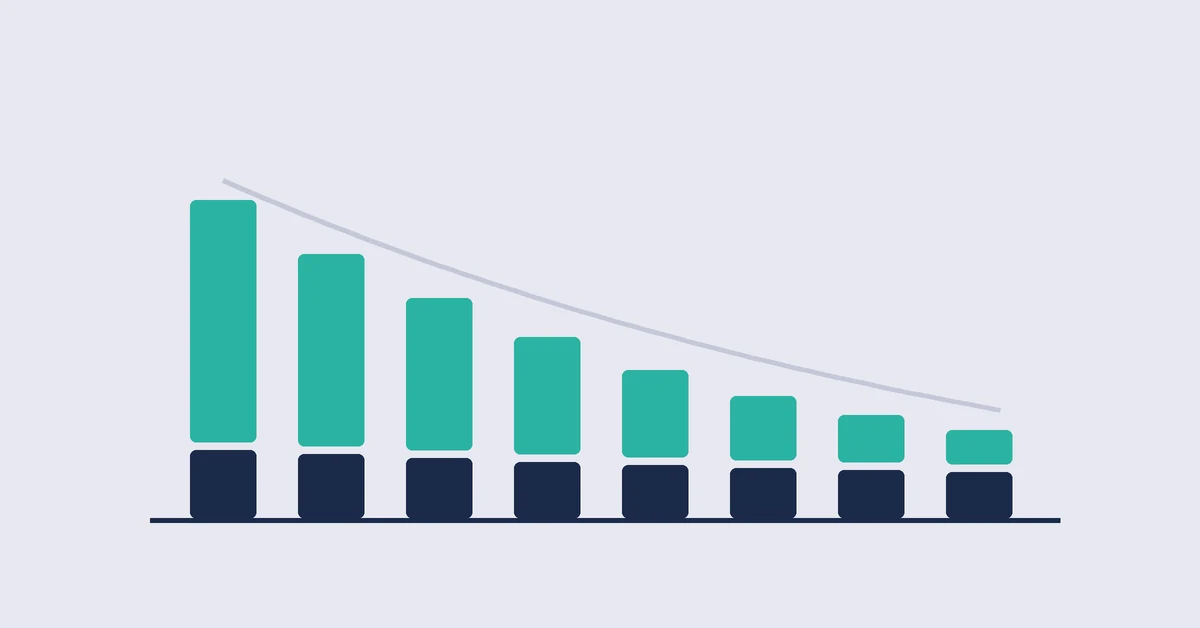
The first is the cost of the tasks the system does on its own: the model, hosting and infrastructure, divided by the volume. It is low per unit and falls as the volume rises.
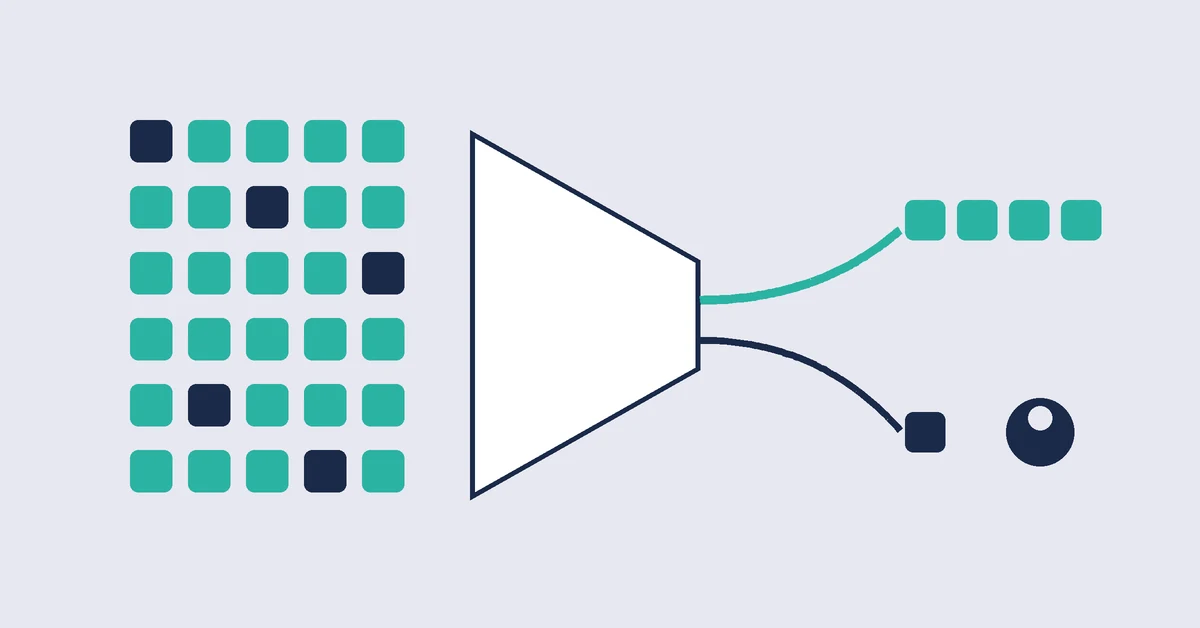
The second is the time spent on exceptions. Every case that fails a rule or falls below the confidence threshold goes to a person. The cost is the average time per exception, times the share of cases that go to a person, times the fully loaded hourly cost of whoever handles them. At the start of a process, this component weighs more.
Adding the two gives the floor: the value below which the process loses money. The price comes from the other side of the calculation, from the value to the client. If the process costs them 30 hours a month today, the price has to make clear how many of those hours go back to the team.
Why the cost falls over time
There are two reasons. The first is the system. Exceptions that repeat and are always decided the same way become rules, and the share of cases that go to a person goes down. The second is the models, which get faster and cheaper with each version.
In a project billed by the hour, that reduction never reaches the client, because fewer hours mean a smaller invoice. In a process paid per unit and per result, the reduction becomes margin for whoever runs it and shorter turnaround for the client. It is one of the reasons we prefer paying for results.
How to compare with the alternatives
The price of a managed process only makes sense beside the cost of the alternatives: keeping it manual, hiring another person or outsourcing. How to run that calculation, with the hours, the fully loaded hourly cost, the errors and the volume, is in hire, outsource or automate.
There is also the option of keeping the system in-house. In that case, the monthly operation drops out of the calculation, but the hours of the person who owns the process and the maintenance come in. The comparison between the two is in buy an AI tool, or hand the process to someone who runs it, and the three-step buying path is in how to buy AI without starting a software project.
Frequently asked questions
How much does an AI system cost for a mid-sized company?
It depends on the process and the volume. The cost splits into diagnosis, build and operation. At Klevie, the first conversation is free, the full diagnosis is deducted from the first project if it starts within 30 days, and the build is a sprint of 6 to 10 weeks with a fixed scope.
What is per-unit pricing?
A monthly price tied to a unit the client recognises as the result: a website monitored, a close prepared, a client company handled. It is worked out from the cost of the automatic tasks and the time spent on exceptions.
Why is the price not by the hour?
Because in a well-designed process the hours fall over time. Charging by the hour would make the supplier lose money as the system improves, and the client would never see that improvement in the price or the turnaround.
What does maintenance cover?
Keeping the system running, handling exceptions, updating the rules when the business changes, and following changes in the models and in the platforms connected to the process.
Want to know what your process costs today?
It is the first calculation we do. Book a call and we will measure the hours and euros with you before talking about price.